Carpet cleaning guide for Highgate Cemetery homes
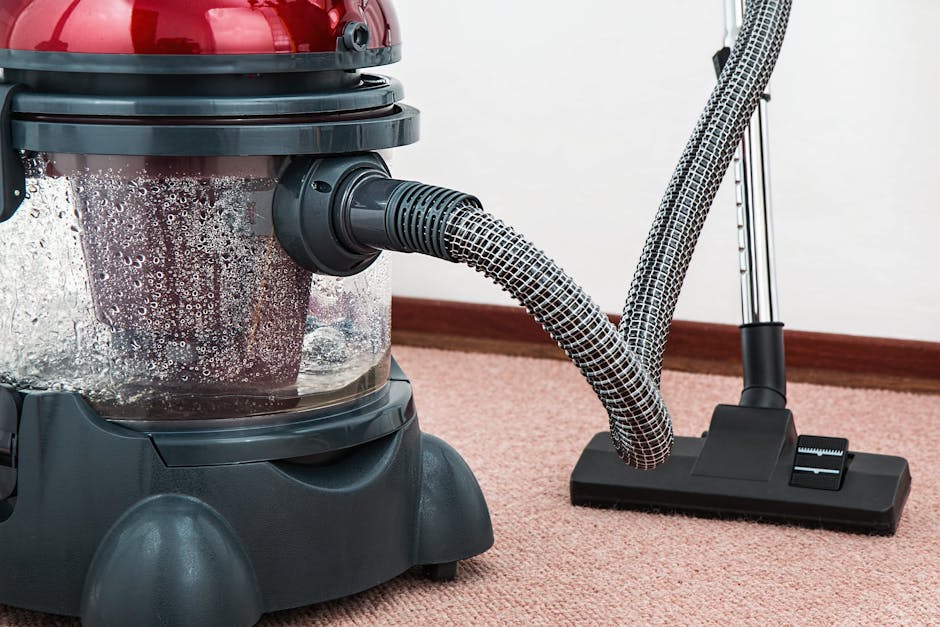
If you live in or around Highgate Cemetery and your carpets are looking tired, flattened, or a bit lived-in, you are not alone. Old stair carpets, hallway runners, and family-room pile all pick up everyday dust, foot traffic, pet hair, and the odd spill faster than people expect. This carpet cleaning guide for Highgate Cemetery homes is designed to help you understand what really works, what to avoid, and when professional cleaning makes more sense than another afternoon with a rental machine.
Highgate homes can be a mixed bag: period properties, converted flats, homes with delicate fibres, and busy households that simply do not have time for a deep clean every weekend. So let's make this practical. Below you will find a clear breakdown of carpet cleaning methods, step-by-step advice, common mistakes, and realistic expectations for results, drying time, and upkeep. Nothing fancy. Just the stuff that helps you make a better decision.
Why carpet cleaning guide for Highgate Cemetery homes matters
Carpets do more than soften a room. In many Highgate homes, they also absorb the pace of daily life: shoes coming in from wet pavements, fine dust from busy London streets, pet hair near the skirting, and the little marks that happen when real people actually live in a house. Over time, that build-up dulls the colour, traps odours, and can make a room feel older than it really is.
There is also a practical side. Regular carpet care helps reduce grit that wears down fibres, keeps spills from becoming permanent stains, and improves how a room feels underfoot. If you have stairs, a hallway, or a front room that gets constant use, the difference between basic vacuuming and proper deep cleaning becomes obvious quite quickly. You notice it when the carpet springs back a little more, or when the room has that clean, airy feel again.
For period properties and homes with older fittings, the stakes are higher. Some carpets are tougher than they look, but others need a softer touch. A one-size-fits-all approach can do more harm than good. That is why a thoughtful carpet cleaning plan matters here more than in a generic guide. The right method, the right timing, and the right drying process all matter.
How carpet cleaning guide for Highgate Cemetery homes works
At its core, carpet cleaning works by removing soil from deep within the pile rather than just from the surface. Vacuuming lifts loose debris. Deep cleaning then targets the sticky grime, oils, and embedded particles that regular vacuuming leaves behind. Depending on the carpet type and condition, cleaning may involve hot water extraction, low-moisture methods, spot treatment, or steam-based cleaning where appropriate. If you want a deeper service overview, the carpet cleaning service page is the best place to start.
The process usually begins with inspection. That sounds simple, but it is the part that prevents mistakes. A good cleaner checks fibre type, staining, wear patterns, backing condition, and whether there are any colour-loss risks. Then comes pre-treatment, which loosens grime and helps with problem spots. After that, the chosen method is applied and the carpet is extracted or cleaned according to the fibre's needs. Drying is not an afterthought either; it is part of the job.
In homes near Highgate Cemetery, where ventilation can vary from one property to the next, drying time often depends on room temperature, airflow, pile thickness, and how much moisture was introduced. Thick wool blend carpets, for example, will behave differently from synthetic fitted carpets in a flat with good cross-breeze. Slightly annoying? Yes. Important? Absolutely.
Key benefits and practical advantages
There are the obvious benefits, and then there are the day-to-day ones that people only notice once the carpet is actually clean. The obvious ones include better appearance, fresher smell, and removal of visible marks. But the practical advantages go a bit further.
- Longer carpet life: removing abrasive grit helps reduce fibre wear, especially in hallways and stairs.
- Better indoor comfort: a well-cleaned carpet can make a room feel lighter and more pleasant.
- Improved stain management: regular treatment stops small marks becoming permanent eyesores.
- Odour reduction: old spills, pet smells, and general mustiness can be tackled more effectively.
- Healthier-looking interiors: less visible dust, fluff, and residue makes a home feel tidier overall.
There is also a psychological benefit, if that is not too grand a phrase. A freshly cleaned carpet tends to make everything else look better. Curtains look a bit sharper. Furniture feels less weighed down. Even a narrow London hallway can suddenly feel less gloomy on a grey morning. It is a small thing, but not really small.
For households with children or pets, a cleaner carpet can also make everyday maintenance much easier. You vacuum more effectively, spot spills sooner, and stop layering one issue on top of another. That is the real win. Less catch-up, more staying on top of it.
Who this is for and when it makes sense
This guide is useful if you are a homeowner, tenant, landlord, or property manager in the Highgate Cemetery area and you need a sensible way to keep carpets in good shape. It is especially relevant if your home has one or more of the following:
- stair carpets that trap grit quickly
- light-coloured carpets showing traffic lanes
- pet-related odours or staining
- older carpets in period rooms
- a need to freshen up before visitors, sale photos, or end-of-tenancy checks
- rugs or upholstery that need attention alongside the carpet
It also makes sense if you have tried DIY cleaning before and ended up with a patchy finish. To be fair, that happens a lot. Over-wetting, using the wrong product, or scrubbing too hard can leave a carpet looking worse than before. If you are dealing with a specific mark, a targeted service such as stain removal can be more effective than a general clean.
Not every situation needs a full deep clean right away. Sometimes the right answer is a careful spot clean, followed by a professional refresh later. Other times, especially after flooding, repeated spills, or pet accidents, you really do want a proper deep treatment sooner rather than later. Honest assessment saves money and frustration.
Step-by-step guidance
Here is a practical sequence you can follow before, during, and after carpet cleaning. It is simple, but simple done well is usually what works.
- Inspect the carpet closely. Look for stains, worn areas, loose threads, and signs of colour fade. Check whether the carpet feels rough, sticky, or matted in walking paths.
- Vacuum thoroughly. Use slow passes, not just a quick sweep. Focus on edges, corners, under furniture, and stairs. This step removes dry soil so the wet clean can work properly.
- Test any product on a hidden patch. A small test helps reduce the risk of colour change or fibre damage. This is especially sensible with older carpets.
- Pre-treat stains and traffic lanes. Let the solution dwell for the recommended time rather than scrubbing immediately. Rushing usually makes the job harder.
- Choose the right cleaning method. Hot water extraction suits many carpets, but not all. Delicate fibres and glued backings may need a lower-moisture option.
- Extract properly. Effective extraction matters as much as the cleaning solution. The goal is to lift out dirt and moisture, not just move it around.
- Dry with airflow. Open windows where sensible, use ventilation, and keep foot traffic light until the carpet is dry.
- Finish with a final check. Look for missed marks, wicking stains, or fibres that need grooming. Sometimes a stain looks gone, then a faint shadow reappears later as it dries.
If you are booking a specialist service, it helps to ask how they handle different fibres and whether they offer equipment suitable for more delicate interiors. For deep cleaning with controlled moisture, steam carpet cleaning is one method many households consider, although it is still not the right answer for every carpet.
Expert tips for better results
Here is the short version: most carpet problems get worse when people wait too long or use too much product. The longer version is a little more useful.
Vacuum before the carpet looks dirty. Dirt settles deep into the pile long before it becomes visible. Regular vacuuming slows wear and makes deep cleaning more effective. If you only vacuum when the carpet looks bad, you are already behind the curve.
Treat spills quickly, but gently. Blot first. Always blot. Scrubbing pushes liquid deeper and can distort the fibres. A clean white cloth is safer than a colourful towel that might transfer dye.
Think about the whole room, not just the obvious stain. Sometimes a carpet looks dull because the nearby sofa or curtains are holding onto dust and odour too. In those cases, pairing carpet care with sofa cleaning, curtain cleaning, or even upholstery cleaning gives a more complete result.
Do not rush the drying stage. A carpet that still feels damp can attract dirt faster. It can also smell slightly musty, which defeats the point a bit, really. Good airflow and patience make a noticeable difference.
Ask about fibre-specific care. Wool, nylon, polyester, and blended carpets behave differently. A cleaner who understands that will usually give you a more even finish and fewer surprises.
Expert summary: the best carpet cleaning outcome usually comes from three things working together: proper inspection, the least aggressive effective method, and careful drying. Get those right and the result is usually much better than people expect.
Common mistakes to avoid
Some carpet issues are caused by the stain itself. Others are caused by the cleaning attempt. That is the part people dislike hearing, but it is true.
- Using too much water: over-wetting can lead to longer drying times, wick-back stains, or backing issues.
- Scrubbing aggressively: this can spread the stain and damage pile direction.
- Skipping vacuuming: wet cleaning over loose grit just turns soil into sludge.
- Using one product for everything: a coffee mark, pet accident, and greasy stain are not the same thing.
- Ignoring the source of the smell: if the odour comes from underlay or pet contamination, surface cleaning alone may not solve it.
- Walking on the carpet too soon: this re-soils clean fibres and can flatten the pile before it resets.
There is also a quieter mistake: doing nothing because the carpet "doesn't look that bad yet." In reality, by the time traffic lanes are obvious, soil has often been working away at the fibres for months. A little maintenance now is usually cheaper than waiting for a bigger rescue job later.
Tools, resources and recommendations
You do not need a van full of kit to keep carpets in reasonable condition, but a few sensible tools make life easier.
- Reliable vacuum cleaner: preferably with adjustable height and useful edge tools.
- Microfibre cloths: useful for blotting spills and lifting residue.
- Soft brush: helps lift pile and work cleaning solution gently into fibres.
- Spot treatment product: choose one suited to the stain type and carpet material.
- Fans or natural ventilation: useful for speeding up drying after cleaning.
For pet-related mess, odour can be as much of a problem as the visible stain. In that case, a targeted approach such as pet stain odour removal is often more appropriate than a general spray-and-hope method. If you have a smaller decorative piece rather than fitted carpet, rug cleaning may be the better match.
If you are comparing service options, a useful starting point is steam carpet cleaning versus lower-moisture methods. Steam or hot water extraction can be excellent for deep refreshes, while low-moisture options may suit quicker turnaround or more sensitive carpets. The right answer depends on fibre, staining, and how much drying time you can tolerate. No magic wand, sorry.
Law, compliance, standards and best practice
For homeowners, carpet cleaning is not usually a heavily regulated activity in the way medical or electrical work is. Still, good practice matters, especially when you are inviting a contractor into your home. A trustworthy provider should be clear about safety, insurance, payment terms, and how they protect your property while working.
In a UK domestic setting, the most relevant concerns are usually practical ones: safe handling of cleaning products, avoiding slip risks from damp floors, and making sure the cleaner knows how to treat different materials without causing damage. If you are booking work in a shared building or conversion, it is sensible to ask how noise, access, and wet-floor precautions are managed. Common sense, really, but it saves awkwardness.
If you want to understand how a provider handles those issues, pages like health and safety policy, insurance and safety, payment and security, and terms and conditions are worth reading before you book. For transparency around quotes, the pricing and quotes page can also help set expectations.
There is also a wider best-practice angle around sustainability. Many households now prefer methods that reduce waste, use water sensibly, and avoid unnecessary product overuse. If that matters to you, take a look at the approach described on recycling and sustainability. It is not just a nice extra. It often reflects the way a company thinks about the job as a whole.
Options, methods and comparison table
Different carpets need different levels of intervention. Below is a simple comparison to help you think through the usual options.
| Method | Best for | Strengths | Watch-outs |
|---|---|---|---|
| Regular vacuuming | Routine upkeep | Prevents grit build-up, easy to maintain | Will not remove deep stains or odours |
| Spot cleaning | Fresh spills and isolated marks | Quick, targeted, low disruption | Can spread stains if overworked |
| Steam or hot water extraction | General deep cleaning and heavier soil | Strong soil removal, good for refreshes | Longer drying time, not ideal for every fibre |
| Low-moisture cleaning | Sensitive carpets or quicker turnaround | Faster drying, less saturation | May need more frequent maintenance |
| Specialist stain treatment | Persistent marks, pet issues, trouble spots | Focused approach, better chance of recovery | May not fully restore damaged fibres |
For some homes, carpet cleaning is only part of the picture. If you are dealing with a whole furnished room, pairing it with mattress cleaning or a full upholstery refresh can make the result feel more complete. That is especially useful after a long winter, when soft furnishings seem to hold onto everything.
Case study or real-world example
Here is a realistic example from the kind of home this guide is meant for. A family in a Highgate flat had a narrow hallway carpet, a wool blend living-room carpet, and a stair runner that had gone dull from daily use. The hallway had visible footpath wear. The living room had a couple of small drink marks. Nothing dramatic, but enough to make the rooms feel tired.
They vacuumed thoroughly, lifted loose dirt from the edges, and treated the obvious spots first. The stair runner needed the most care because the fibres were more delicate than they first appeared. The carpet was cleaned in stages rather than soaked all at once. Drying was managed with airflow and light room use, so the whole flat did not feel like a building site. By the following day, the colours looked more even and the traffic lanes were far less noticeable.
The important part was not that the carpet became perfect. Let's be honest, few real carpets are perfect. The important part was that the home felt fresher, cleaner, and easier to maintain. That is often the right goal. Not showroom. Just properly cared for.
Practical checklist
Use this checklist before you clean, book a cleaner, or decide which method to choose.
- Identify the carpet fibre if possible.
- Check for stains, odours, and traffic lanes.
- Vacuum slowly and thoroughly first.
- Test products in a hidden spot.
- Decide whether the issue is general soil or a specific stain.
- Confirm drying time fits your schedule.
- Move delicate items out of the way.
- Ask about insurance, safety, and treatment methods if hiring a professional.
- Plan ventilation for after the clean.
- Keep shoes off the carpet until it is fully dry.
Quick takeaway: a good carpet clean is part preparation, part method, part patience. Get all three working together and the result is usually far better than a rushed one-off clean.
Get a free quote today and see how much you can save.
Conclusion
Carpet care in Highgate Cemetery homes is really about balance. You want enough cleaning to keep the carpet healthy, attractive, and fresh, without using a method that is too harsh or too wet for the material. The homes in this part of London can be beautiful, practical, awkward, charming, and a bit all over the place sometimes, which is exactly why a thoughtful approach matters.
If you remember only one thing, make it this: treat the carpet according to its fibre, soil level, and drying needs, not according to habit. That small shift saves trouble. It also saves money in the long run, which is never a bad thing. And once the rooms feel lighter again, you will probably wonder why you put it off.
There is a real satisfaction in walking into a freshly cleaned room on a quiet morning and noticing that clean, soft underfoot feel. Small win, but a good one.
Frequently Asked Questions
How often should carpets be cleaned in Highgate Cemetery homes?
It depends on foot traffic, pets, children, and the type of carpet, but most homes benefit from regular vacuuming and periodic deep cleaning. Hallways and stairs usually need attention sooner than spare rooms.
Is steam cleaning safe for all carpets?
No, not automatically. Steam or hot water extraction can work very well, but some delicate fibres or older carpets need a gentler method. Always check the fibre type and condition first.
What is the best way to remove a fresh carpet stain?
Blot the spill gently with a clean cloth, work from the outside in, and avoid scrubbing. Then use an appropriate spot treatment for the stain type. If you are unsure, a specialist stain service is safer than experimenting.
Why does a stain sometimes come back after cleaning?
This is often caused by residue or moisture drawing soil back to the surface as the carpet dries. It can also happen when the stain has penetrated deeper than expected. Careful extraction helps reduce this risk.
Can carpet cleaning remove pet odours completely?
Sometimes yes, sometimes only partly. It depends on whether the odour is in the fibres, the underlay, or both. For stronger pet issues, a focused treatment such as pet stain odour removal is usually the better option.
How long does carpet cleaning take?
Cleaning time depends on room size, carpet condition, and method used. Drying time can vary too, especially for thicker piles or homes with limited airflow. Planning ahead helps avoid inconvenience.
Do I need to move furniture before carpet cleaning?
It helps a great deal, especially for smaller items and breakables. Some larger furniture may be worked around, but clearing the room where possible usually gives a better result and faster access.
Is DIY carpet cleaning worth it?
For light maintenance, yes. For heavy staining, sensitive fibres, or strong odours, DIY can be risky if the wrong product or too much water is used. A careful professional clean is often the safer choice.
What should I ask before booking a carpet cleaner?
Ask about the method used, drying expectations, insurance, safety, pricing, and whether they understand your carpet type. If the company is transparent about its policies and process, that is usually a good sign.
How can I keep carpets cleaner for longer after a deep clean?
Vacuum regularly, deal with spills quickly, use mats at entrances, and avoid walking in with wet or dirty shoes. Small habits make a bigger difference than people expect.
Should rugs and fitted carpets be cleaned the same way?
Not always. Rugs, especially decorative or delicate ones, can need different handling from fitted carpets. If you have both, it is sensible to treat them as separate jobs rather than assuming one method fits all.
Where can I find more information about the company's service approach?
You can review the company's about us page for background, and the policy pages for details on safety, privacy, and payment. That kind of transparency is useful before any home service booking.