N6 Upholstery Cleaning Tips for Highgate Village Flats
If you live in a Highgate Village flat, upholstery can get tired faster than you'd expect. Narrow hallways, busy routines, pets, open-plan living, and the odd cup of tea on the sofa all leave a mark. These N6 upholstery cleaning tips for Highgate Village flats are designed to help you keep sofas, armchairs, dining chairs, and fabric headboards looking fresher for longer without making life harder than it needs to be.
The trick is not to scrub harder. It is to clean smarter. In smaller London flats, fabric can be more exposed to day-to-day wear, yet less forgiving if you use the wrong method. This guide covers what works, what to avoid, and when it makes sense to bring in professional help. A calm, practical approach usually wins. Funny how that goes.
Table of Contents
- Why upholstery cleaning matters in Highgate Village flats
- How upholstery cleaning works in practice
- Key benefits and practical advantages
- Who this is for and when it makes sense
- Step-by-step guidance
- Expert tips for better results
- Common mistakes to avoid
- Tools, resources and recommendations
- Law, compliance, standards and best practice
- Options, methods and comparison table
- Case study or real-world example
- Practical checklist
- Conclusion
- Frequently asked questions
Why N6 upholstery cleaning tips for Highgate Village flats Matters
Upholstery does more than fill a room. It sets the tone of the whole flat. In Highgate Village, where many homes are compact and beautifully lived in, a sofa or dining chair often works hard every single day. Dust settles. Body oils build up. Food crumbs disappear into seams. Fabrics hold on to smells from cooking, pets, heating, and closed windows during colder months.
That matters because upholstery is often one of the first things guests notice and one of the last things you feel like dealing with. Let's face it, cleaning a fabric sofa is rarely at the top of anyone's weekend wish list. But regular care makes a big difference to comfort, appearance, and how long your furniture lasts. It also helps reduce that slightly stale, lived-in smell that can creep up on you after a few months.
Flat living brings a few extra complications. Space is limited, so items get used more intensively. Ventilation may be weaker in older buildings. Stairs and communal access can make moving furniture awkward. All of that makes gentle, regular upkeep more valuable than an occasional heavy-handed clean.
If you also keep carpets, rugs, and curtains in decent condition, the whole home feels cleaner with less effort. For broader fabric care, the site's upholstery cleaning service is a useful place to explore alongside related care such as sofa cleaning, rug cleaning, and curtain cleaning.
Expert summary: In smaller N6 flats, the best upholstery care is usually light, regular, and fabric-aware. The more you protect fibres before marks settle in, the less often you need to fight stubborn stains later.
How N6 upholstery cleaning tips for Highgate Village flats Works
Good upholstery cleaning starts with knowing what you're cleaning. Fabric type, weave, colour, age, and prior wear all matter. A velvet chair, a linen sofa, and a synthetic dining seat each respond differently to moisture, agitation, and cleaning agents. That is the bit people often skip.
The practical process usually looks like this:
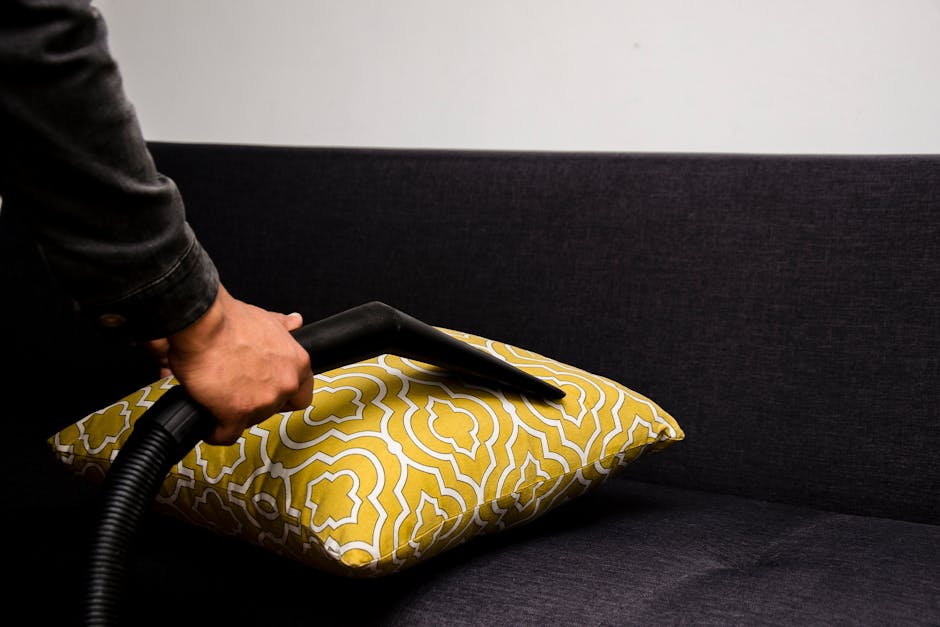
- Dry soil removal - loose dust, grit, hair, and crumbs are removed first using a vacuum with the right attachment.
- Fabric check - the cleaning method is matched to the fibre and care label.
- Spot treatment - visible stains are treated individually rather than flooding the whole item.
- Overall clean - the full upholstery surface is cleaned evenly.
- Drying and finishing - moisture is controlled so the fabric dries properly and does not develop a smell.
In a flat, drying is a bigger deal than many people realise. If a cushion stays damp too long, you can get lingering odour, stiffness, or water marks. That is why airflow matters. Open a window if you can, keep radiators from blasting directly at the fabric, and avoid using the furniture before it is properly dry. Sounds obvious. It still gets missed all the time.
Professional cleaning methods often include controlled hot water extraction, low-moisture cleaning, or specialist stain treatment. The right choice depends on the upholstery, the level of soiling, and how quickly the item needs to be back in use. For particularly delicate items, the safest route may be a careful spot clean or a gentle professional treatment rather than an all-out deep clean.
Key Benefits and Practical Advantages
There are three big reasons to look after upholstery properly in a Highgate Village flat: it looks better, lasts longer, and feels better to live with. That sounds simple, but the practical effect is quite noticeable once you get into a rhythm.
- Cleaner appearance: fabrics look brighter, flatter marks are less obvious, and the room feels more cared for.
- Better hygiene: regular cleaning helps remove dust, skin particles, pet hair, and the bits that tend to settle in seams.
- Longer fabric life: grit and debris act a bit like fine sandpaper over time, so removing them early helps reduce wear.
- Improved odour control: cooking smells, pet smells, and general flat odour are easier to manage when fabric is maintained.
- More confidence around guests: a fresh sofa or chair changes how a room feels, even when you've not changed anything else.
There is also a mental benefit. A clean sofa can make a whole flat feel more settled. You stop noticing that one patch by the armrest every time you walk past. You stop worrying whether a visitor will sit on the wrong cushion. That little sigh of relief is worth something, honestly.
For people with pets, practical upkeep becomes even more valuable. Loose hair and accidental marks are easier to handle if you act quickly and use the right approach. If pet accidents are a recurring issue, it may help to read about pet stain and odour removal alongside your regular fabric care routine.
Who This Is For and When It Makes Sense
This advice is useful for tenants, landlords, homeowners, and letting agents. But the timing and priorities differ a bit for each.
For tenants
If you are renting in N6, keeping upholstery tidy helps you avoid avoidable wear and tear disputes. The key is not to overdo it. Gentle cleaning, prompt stain attention, and proper drying are usually enough for day-to-day maintenance. If a stain is old or the fabric is delicate, it may be wiser to document the issue and seek guidance before using strong products.
For homeowners
Homeowners often wait too long. Truth be told, it is easy to leave the sofa until it looks obviously dirty. But if you clean more often, the work is easier each time and the fabric stays more comfortable.
For landlords and managing agents
Upholstery in furnished flats needs a more structured plan. Turnover periods, tenant changeovers, and the general pace of city living can leave furniture in a mixed state. In those situations, a careful deep clean can restore presentation without replacing perfectly usable items.
For pet owners and families
If your flat sees paws, snacks, or the occasional spill, regular upkeep is simply part of the deal. It does not have to be perfect. It just has to be consistent.
And if your upholstery sits alongside carpets that also need attention, you may find it useful to review carpet cleaning and steam carpet cleaning as part of a broader home care plan.
Step-by-Step Guidance
Here is a straightforward way to clean upholstery in a flat without making a mess of it.
1. Check the care label
Before anything else, look for the manufacturer's cleaning code or care guidance. Some fabrics tolerate water-based cleaning well. Others do not. If the label is missing, assume caution. Better that than a blotchy armchair nobody wants to admit they damaged.
2. Vacuum slowly and thoroughly
Use the upholstery attachment and work methodically. Focus on seams, tufts, folds, under cushions, and along the base. These areas trap dust and crumbs. A slow vacuum does more than a quick pass ever will.
3. Test any product in a hidden spot
Always test a cleaning solution on a small, hidden patch first. Wait for it to dry fully. Check for colour transfer, ring marks, texture change, or stiffness.
4. Treat stains gently
Blot, do not rub. Start from the outside edge of the stain and work inward. Use as little moisture as possible. Over-wetting is one of the fastest ways to create a bigger problem than the original mark.
5. Clean the surrounding area too
Spot-cleaning only the centre of a stain can leave a visible tide line. A soft transition around the area usually looks better. This is one of those tiny details that separates a tidy result from an annoying one.
6. Dry carefully
Use ventilation, not heat blasting. Open windows if weather permits. Keep cushions spaced apart. If you can, leave the item untouched for several hours. In a small flat, that may mean rearranging the room a bit. Slight inconvenience, yes, but worth it.
7. Finish with fabric grooming if needed
Some fabrics, especially brushed or pile-based materials, may benefit from gentle grooming once dry. This helps restore the surface and avoid a flattened look.
If the item is heavily marked or very valuable, a professional approach can be safer. The main thing is to match the method to the fabric, not the other way round.
Expert Tips for Better Results
The little things matter with upholstery. A lot.
- Deal with spills early: fresh marks are always easier than old ones. Even a five-minute delay can make a difference.
- Use white cloths: coloured cloths can transfer dye, especially on pale upholstery.
- Avoid soaking cushions: moisture trapped in inner fillings can lead to odour or slow drying.
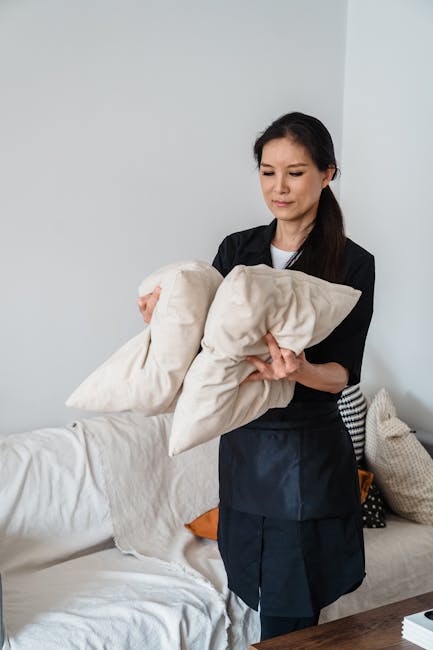
- Rotate cushions regularly: this evens out wear and prevents one side from going flat too quickly.
- Keep food and drinks in check: not glamorous advice, but it works.
- Work in daylight when possible: artificial light hides residue and missed marks. A bright late-morning window can reveal a lot.
- Use a soft brush only where suitable: some fabrics tolerate gentle agitation, others do not. If in doubt, lighter is safer.
One small habit that helps a surprising amount: vacuum the sofa when you vacuum the room. Not separately next week, not when guests are coming. Just build it in. That way, dust and grit never get a chance to settle properly.
If you want a more robust clean for sofas specifically, the dedicated sofa cleaning page gives a useful sense of how professional treatment fits into routine care.
Common Mistakes to Avoid
Most upholstery damage comes from impatience rather than bad intentions. A few of the classic mistakes are easy to avoid once you know them.
- Rubbing stains aggressively: this can push dirt deeper and distort the fabric surface.
- Using too much detergent: residue attracts more dirt later, which is maddeningly unfair but true.
- Skipping the test patch: never assume a product is safe just because it worked on another fabric.
- Over-wetting: this can cause water marks, mildew risk, and slow drying.
- Using heat too close to the fabric: a hair dryer on high heat can shrink or mark some materials.
- Cleaning only visible marks: the surrounding area often needs attention too.
- Ignoring odour: a stain can look fine while still holding smell in the backing or filling.
There is also the mistake of waiting for a full deep-clean emergency. By then, the job is harder, pricier, and usually more stressful. If you stay ahead of the build-up, everything gets easier. Not exciting, but very practical.
Tools, Resources and Recommendations
You do not need a huge kit. A few sensible tools go a long way.
| Tool or item | Why it helps | Best use |
|---|---|---|
| Upholstery vacuum attachment | Removes dust and crumbs without rough handling | Routine maintenance |
| Soft white microfibre cloths | Useful for blotting and gentle surface cleaning | Spills and spot treatment |
| Soft brush | Can lift dust from textured fabrics where appropriate | Light surface grooming |
| Plain water spray bottle | Helps control moisture levels | Careful spot dampening |
| Fabric-safe cleaner | Targets marks without harsh treatment | Specific stain removal |
| Dry towels | Useful for absorbing excess moisture fast | After spill control |
For more serious staining, it can help to think in categories. Grease, coffee, wine, ink, and pet accidents all behave differently. A one-product-fixes-everything mindset is tempting, but it rarely ends well. If staining is the main issue, see the dedicated stain removal service information.
If the rest of the flat needs a proper refresh too, combining upholstery with rug cleaning or mattress cleaning can be more efficient than tackling each item separately. That said, only bundle jobs when it genuinely suits your schedule and the furniture condition. No need to turn it into a production line.
Law, Compliance, Standards and Best Practice
For home upholstery cleaning, there usually is not a complicated legal checklist the way there can be for some trades. Still, good practice matters, especially in rented flats and shared buildings.
In the UK, tenants and landlords should keep an eye on lease terms, inventory records, and general property care expectations. If furniture is supplied as part of a tenancy, it should be treated in line with the agreement and the condition noted at check-in and check-out. For landlords, it is sensible to choose cleaning methods that are safe for the material and avoid avoidable damage claims later on.
From a safety perspective, product labels should be followed carefully. If a cleaner warns against use on wool, silk, or untreated natural fibres, take that seriously. Likewise, ventilation is important when using any chemical product in a flat. A small room can hold fumes longer than expected, especially during colder months when windows are closed.
Professional providers should also work with appropriate insurance, sensible safety procedures, and clear communication about limitations. That is one reason people check pages such as insurance and safety information and health and safety policy details before booking. It is not glamorous, but it is reassuring.
For pricing clarity, written quotes and straightforward terms matter too. A clear scope helps avoid that awkward moment when someone thinks something was included and someone else definitely did not. If you want to compare options carefully, the site's pricing and quotes and terms and conditions pages are sensible places to start.
Options, Methods, or Comparison Table
Different upholstery cleaning methods suit different flats, fabrics, and levels of soil. Here is a practical comparison.
| Method | Best for | Pros | Watch-outs |
|---|---|---|---|
| Vacuum-only maintenance | Weekly upkeep | Fast, safe, good for dust control | Won't remove stains or deep odours |
| Spot cleaning | Fresh spills and small marks | Targeted, low disruption | Can leave rings if done badly |
| Low-moisture cleaning | Delicate flats and quicker drying needs | Less downtime, usually gentle | May be less effective on heavy build-up |
| Hot water extraction | Heavier soiling on suitable fabrics | Deep clean, strong soil removal | Needs careful drying and fabric suitability checks |
| Professional stain treatment | Specific stubborn stains | More controlled and often more reliable | Not every stain can be fully removed |
For many Highgate Village flats, a mix of methods is ideal: vacuum regularly, spot treat early, and book a deeper clean when the item starts looking dull or holding odour. There is no prize for using the strongest method every time. In fact, that is usually how upholstery gets ruined.
Case Study or Real-World Example
Here is a realistic example from the kind of situation many flat-dwellers recognise.
A two-bedroom flat in N6 has a fabric corner sofa in a living room that doubles as the dining area. The sofa faces the kitchen, so it collects a bit of cooking residue over time. One cushion is used most evenings, another is near the window and picks up dust, and there is a faint coffee smell around the armrest after months of casual spills. Nothing dramatic. Just life.
The owner starts with the basics: a thorough vacuum, a careful test patch on the rear panel, and gentle treatment of the armrest mark rather than a full soak. Cushion rotation helps even out wear. A window is kept open for drying, and the sofa is left alone overnight. The result is not magic. It is simply better: fresher smell, fewer visible marks, and a softer feel to the fabric.
Then, a few weeks later, the dining chairs get treated too because they were starting to look tired as well. That is the usual pattern. Once one item is improved, the others start to bother you less in a good way.
If the flat also has curtains that trap odour or dust, it makes sense to bring them into the same seasonal clean. That is where curtain cleaning can fit neatly alongside upholstery care.
Practical Checklist
Use this as a quick pre-clean and post-clean guide.
- Check the care label before using any liquid product.
- Vacuum cushions, seams, arms, and hidden edges.
- Test cleaners on a hidden area first.
- Blot spills gently rather than rubbing.
- Keep moisture to a minimum.
- Allow proper drying time.
- Rotate cushions to spread wear.
- Watch for odours, not just visible marks.
- Use suitable attachments and soft cloths.
- Call in a professional if the fabric is delicate, valuable, or badly stained.
Quick reminder: if you can smell a stain before you can see it, treat the odour seriously. That usually means residue has gone deeper than the surface.
Conclusion
Upholstery care in Highgate Village flats does not need to be complicated. Keep it regular, match the method to the fabric, and dry things properly. That alone solves most of the day-to-day problems people run into. The best N6 upholstery cleaning tips for Highgate Village flats are the practical ones: vacuum often, blot early, avoid over-wetting, and do not treat every mark like a disaster.
If you want your furniture to last, consistency beats intensity. A few small habits save more time and money than one big cleanup after things have gone a bit far. And if you are dealing with stubborn marks, pet smells, or a sofa that has simply reached the point where home care is no longer enough, a professional clean can be the sensible next step.
Get a free quote today and see how much you can save.
Whether you are freshening up a compact rental or keeping a family flat feeling calm and comfortable, a cleaner sofa can quietly change the whole room. Small win, but a real one.
Frequently Asked Questions
How often should upholstery be cleaned in a Highgate Village flat?
For most flats, light vacuuming weekly and a deeper clean every so often works well. High-use items like sofas may need attention more often if you have pets, children, or frequent guests.
Can I use the same cleaner on every fabric sofa?
No. Different fabrics react differently to water, heat, and detergents. Always check the care label first, and test any product in a hidden area before treating the full item.
What is the safest way to clean a stain on upholstery?
Blot the spill gently with a clean white cloth, work from the outside in, and keep moisture low. Rubbing usually makes the stain spread or sink deeper.
Why does my sofa smell worse after I clean it?
That often happens when too much water is used or the fabric takes too long to dry. Moisture in the filling can hold odour, so airflow and careful drying matter a lot.
Is steam cleaning safe for upholstery in flats?
Sometimes, but not always. Steam or hot water extraction can work well on suitable fabrics, yet delicate materials may be damaged. The method should be matched to the upholstery type, not chosen automatically.
Do I need a professional for a small stain?
Not always. Fresh, minor spills can often be handled at home if you act quickly and use the right technique. If the stain is old, greasy, or on a delicate fabric, professional help may be the safer option.
How do I dry upholstery faster in a flat?
Use ventilation, space cushions apart, and avoid direct high heat. A fan can help move air around, but do not point intense heat straight at the fabric.
Can upholstery cleaning help with pet odours?
Yes, especially when the smell has settled into the fabric or cushion filling. If pet odour is persistent, a deeper treatment may be needed, and the source should be addressed at the same time.
What should tenants in N6 keep in mind before cleaning upholstery?
Check the tenancy agreement, consider the furniture condition at move-in, and avoid using risky products that could damage the item. If in doubt, ask before applying stronger cleaners.
How do I know if my sofa needs a deep clean rather than a vacuum?
If it looks dull, holds odour, has visible marks, or feels sticky in places, vacuuming alone will not be enough. That is usually the point where a deeper clean makes sense.
Are fabric protectors worth it for flat living?
They can be useful on suitable fabrics, especially in busy homes, but they are not a substitute for regular care. Think of protection as a helpful extra, not a shield against everything.
Where can I find more help with upholstery and related cleaning?
It can help to look at related services such as upholstery cleaning, sofa cleaning, and stain removal when you need more than routine upkeep.